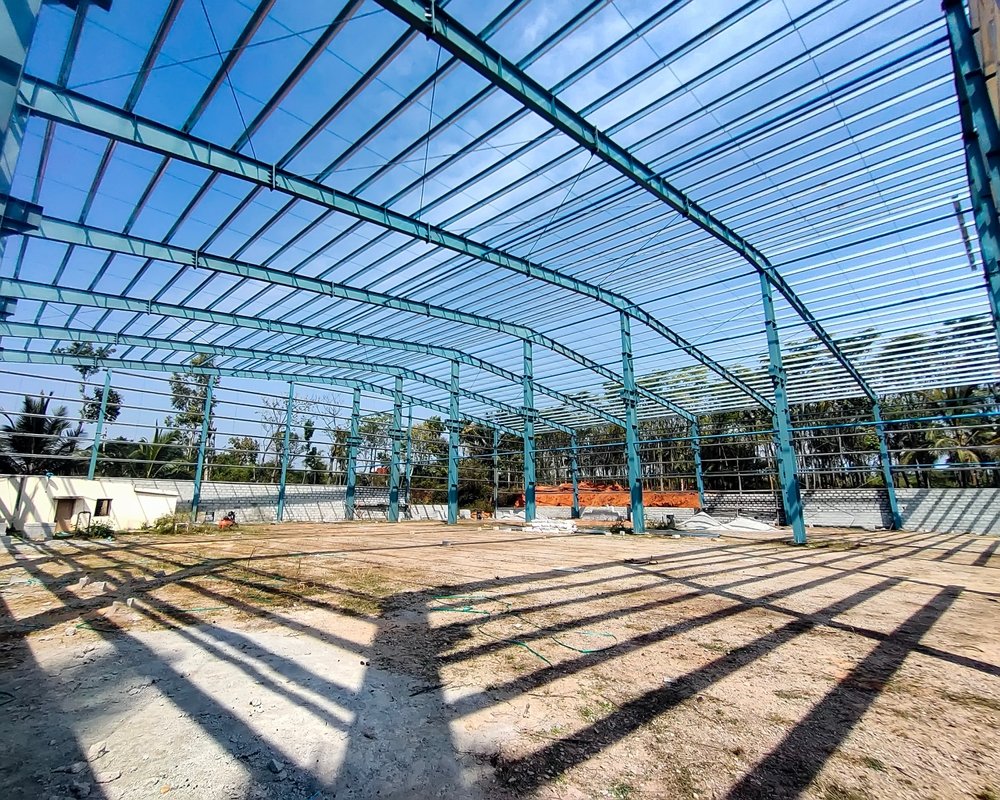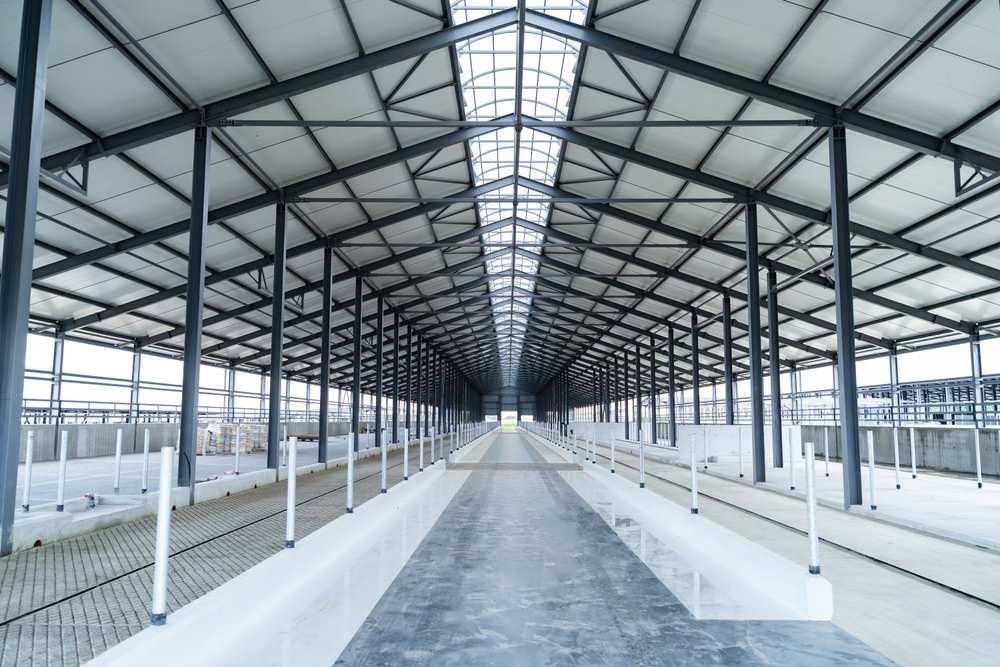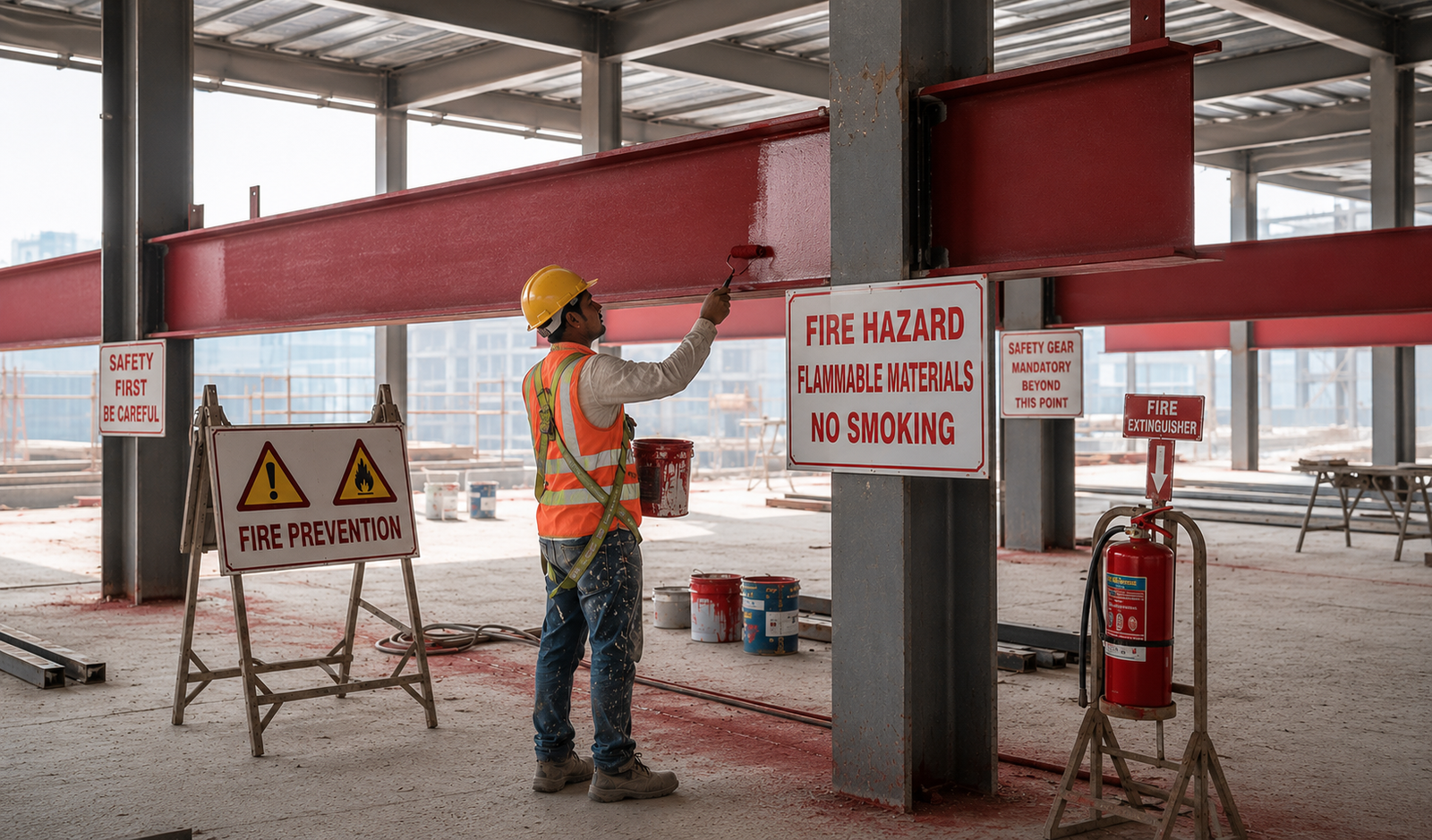
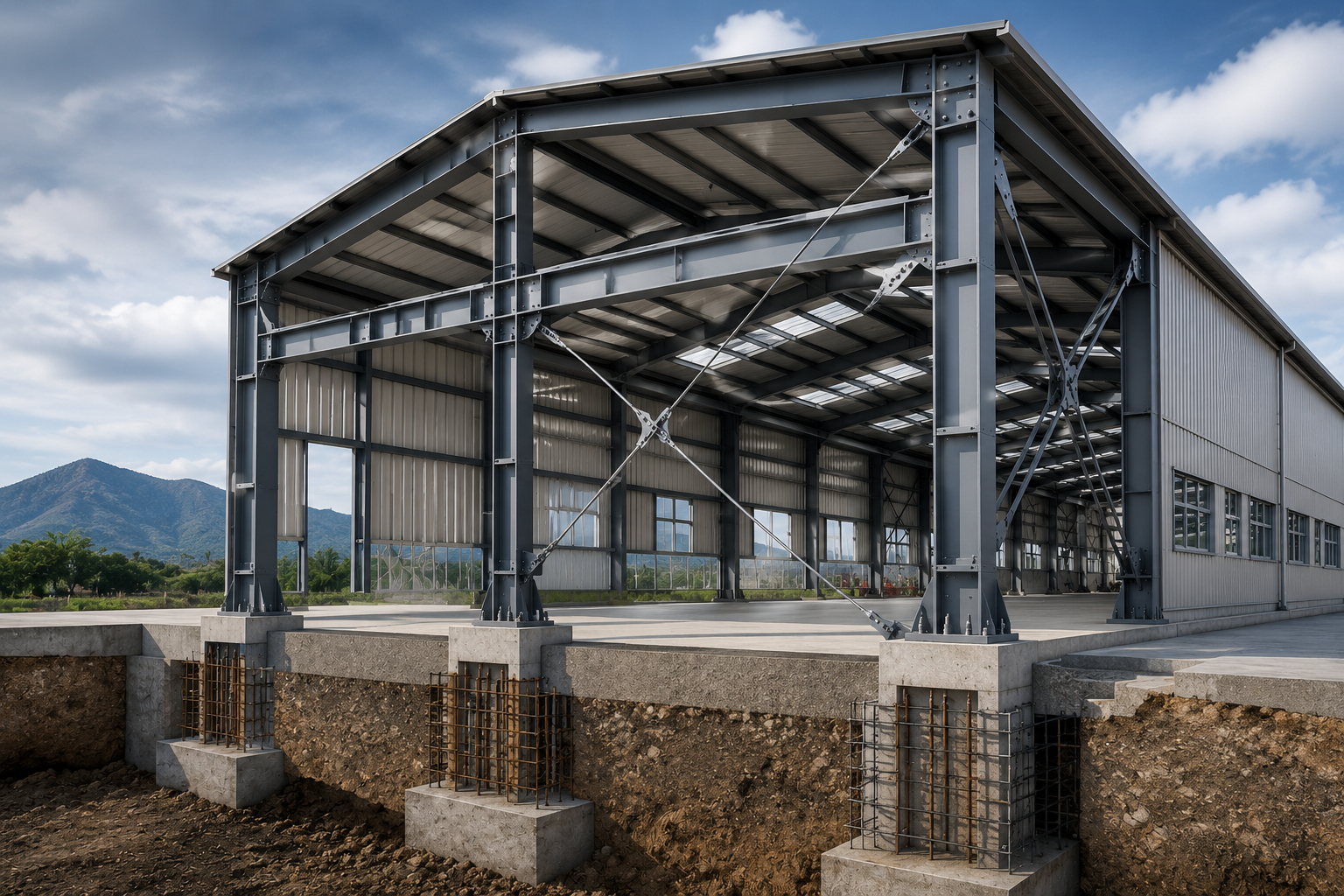
India is divided into four distinct seismic zones (Zone II, III, IV, and V), with over 55% of the country vulnerable to moderate to severe earthquakes. For industrial manufacturing plants, heavy warehouses, and pre-engineered buildings (PEBs), seismic resilience is a life-safety mandate and an economic necessity to prevent catastrophic operational downtime.
Unlike massive concrete structures that rely on dead weight, steel structures possess natural ductility and strength-to-weight advantages. However, ensuring absolute compliance with IS 1893 (Part 1): Criteria for Earthquake Resistant Design of Structures is essential for plant stability.
1. Calculating Base Shear and Seismic Zone Factors ($Z$)
Under IS 1893, lateral seismic forces on an industrial steel shed are calculated based on seismic zone factors ($Z$), response reduction factors ($R$), and importance factors ($I$). Industrial plants housing hazardous materials or heavy machinery are categorized under higher importance factors, demanding rigorous dynamic response spectrum analysis.
Engineering Pro Tip
Using STAAD Pro response spectrum analysis accounts for higher mode effects in tall industrial portal frames, preventing localized joint failure during ground shaking.
2. Ductile Detailing and Energy Dissipation
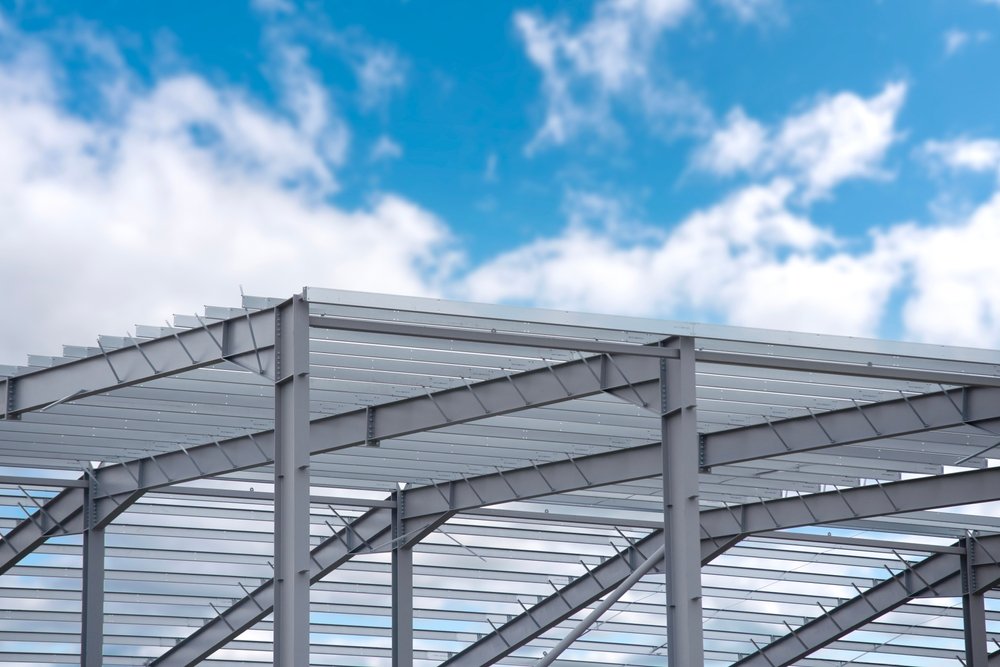
During an earthquake, structures must absorb and dissipate seismic energy without brittle failure. Designing ductile moment-resisting frames and incorporating cross-bracing systems ensures that seismic energy is dissipated smoothly through controlled plastic deformation rather than sudden column buckling.
| Seismic Parameter | Standard Warehouse Practice | Rajveershree Engineering Execution |
|---|---|---|
| Lateral Force Analysis | Static equivalent method | Advanced STAAD Pro Response Spectrum Modeling |
| Bracing Systems | Minimum sag rods | Heavy-duty pipe struts and X-bracing networks |
| Base Plate Anchorages | Shallow foundation bolts | Deep reinforced concrete moment-resisting anchor cages |
| Connection Ductility | Standard welded gussets | Full-penetration welds with HSFG bolted moment connections |
3. Mitigating P-Delta Effects and Roof Mass Resonance
Industrial sheds feature heavy roof monitors, overhead EOT cranes, and extensive piping networks suspended from rafters. During an earthquake, these elevated masses create significant overturning moments and P-Delta effects. Our structural designers meticulously balance roof mass distribution and stiffness to prevent resonance with ground motion frequencies.
Conclusion: Safeguard Your Plant with Certified Engineers
Designing industrial structures capable of resisting severe seismic tremors requires advanced finite element modeling and flawless shop fabrication. By partnering with Rajveershree Engineering, your plant receives 100% compliant, seismically secure infrastructure safeguarding both your workforce and capital investment.